Community Cleanup Projects for a Safer Neighborhood

In many communities, litter and neglect can lead to a decline in safety and quality of life. A clean neighborhood not only looks better but also fosters a sense of pride among residents. Community cleanup projects are a powerful way to address these issues, bringing people together to improve their surroundings. This blog post will explore the benefits of community cleanup initiatives, provide practical steps for organizing a project, and highlight successful examples from various neighborhoods.
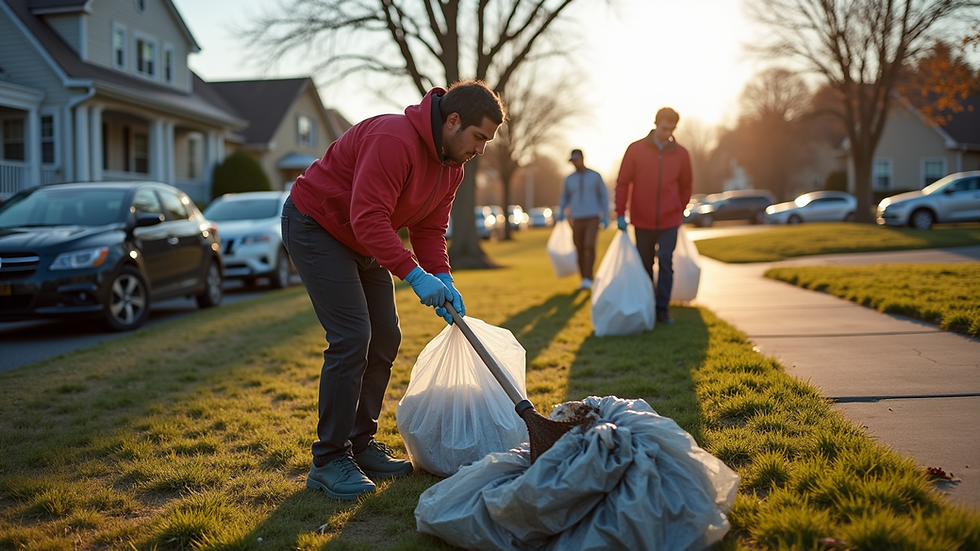
The Importance of Community Cleanup Projects
Enhancing Safety
A clean neighborhood is a safer neighborhood. When litter accumulates, it can attract pests and create hiding spots for criminal activity. By organizing cleanup projects, residents can eliminate these hazards, making their community more secure. Additionally, well-maintained public spaces encourage positive activities and discourage vandalism.
Building Community Spirit
Cleanup projects are an excellent way to foster community spirit. When residents come together for a common cause, they build connections and strengthen relationships. This sense of camaraderie can lead to increased participation in other community initiatives, creating a cycle of engagement and improvement.
Environmental Benefits
Community cleanups also have significant environmental benefits. By removing trash and debris, residents can help protect local wildlife and ecosystems. Clean neighborhoods contribute to better air and water quality, making them healthier places to live. Furthermore, these projects raise awareness about environmental issues, encouraging sustainable practices among participants.
Steps to Organize a Community Cleanup Project
1. Identify the Area
The first step in organizing a cleanup project is to identify the area that needs attention. This could be a local park, a street, or any public space that has fallen into disrepair. Engage with community members to gather input on which areas they feel require the most help.
2. Gather Support
Once you have identified the area, it’s time to gather support. Reach out to local organizations, schools, and businesses to enlist volunteers. Social media platforms can be effective for spreading the word and attracting participants. Consider creating a dedicated event page to keep everyone informed.
3. Plan the Logistics
Planning the logistics is crucial for a successful cleanup. Consider the following:
Date and Time: Choose a date and time that works for the majority of volunteers. Weekends are often best for community events.
Supplies: Ensure you have enough supplies, such as trash bags, gloves, and safety vests. Local businesses may be willing to donate these items.
Safety Measures: Prioritize safety by providing guidelines for volunteers. Ensure that everyone knows to avoid hazardous materials and to stay hydrated.
4. Promote the Event
Promote your cleanup project through various channels. Use flyers, social media, and community bulletin boards to spread the word. Highlight the benefits of participating, such as making a difference in the community and meeting new people.
5. Execute the Cleanup
On the day of the event, arrive early to set up and welcome volunteers. Provide a brief orientation to explain the goals of the cleanup and distribute supplies. Encourage teamwork and ensure that everyone feels included.
6. Celebrate Success
After the cleanup, take time to celebrate the achievements of the volunteers. Consider hosting a small gathering or providing refreshments. Share before-and-after photos on social media to showcase the impact of the project and thank participants for their hard work.
Successful Examples of Community Cleanup Projects
The Great American Cleanup
One of the largest community cleanup initiatives in the United States is the Great American Cleanup. This annual event mobilizes millions of volunteers across the country to clean up parks, roads, and waterways. Participants not only pick up litter but also engage in educational activities about environmental stewardship. The event has led to significant improvements in local communities and has inspired similar initiatives worldwide.
Local Neighborhood Cleanups
Many neighborhoods have taken it upon themselves to organize regular cleanup events. For example, the residents of Maplewood have established a monthly cleanup day, where volunteers gather to tidy up their streets and parks. This initiative has not only improved the aesthetics of the neighborhood but has also fostered a strong sense of community among residents.
School Involvement
Schools can play a vital role in community cleanup projects. In Oakridge, students participate in an annual cleanup day as part of their environmental education curriculum. This initiative teaches students the importance of caring for their surroundings while also making a tangible impact in their community.
Overcoming Challenges
Lack of Participation
One common challenge in organizing cleanup projects is attracting volunteers. To overcome this, consider offering incentives such as refreshments, prizes, or community service hours for students. Highlight the positive impact of the cleanup on social media to generate interest.
Weather Conditions
Weather can be unpredictable, and rain or extreme heat can deter volunteers. Have a backup plan in place, such as rescheduling the event or providing shaded areas and water stations. Communicate any changes promptly to keep participants informed.
Funding and Resources
Securing funding and resources can be a hurdle for some projects. Reach out to local businesses for sponsorship or donations. Many companies are willing to support community initiatives as part of their corporate social responsibility efforts.
The Long-Term Impact of Cleanup Projects
Sustained Community Engagement
Community cleanup projects can lead to sustained engagement among residents. When people see the positive results of their efforts, they are more likely to participate in future initiatives. This ongoing involvement can lead to a stronger, more connected community.
Improved Property Values
Clean neighborhoods often see an increase in property values. Potential homebuyers are more likely to be attracted to areas that are well-maintained and visually appealing. This can lead to economic benefits for the community as a whole.
Environmental Awareness
Cleanup projects raise awareness about environmental issues and encourage sustainable practices. Participants often leave with a greater understanding of the impact of litter and pollution, motivating them to adopt eco-friendly habits in their daily lives.
Conclusion
Community cleanup projects are a powerful way to create safer, cleaner neighborhoods. By bringing residents together, these initiatives foster a sense of pride and responsibility while addressing pressing environmental issues. Whether you’re organizing a large-scale event or a small neighborhood cleanup, the benefits are clear. Take the first step today and inspire others to join you in making a difference. Together, we can build a cleaner, safer, and more vibrant community for everyone.
Comments